Surrounded but Alone: How Schools Are Confronting the Hidden Loneliness Epidemic Among Students
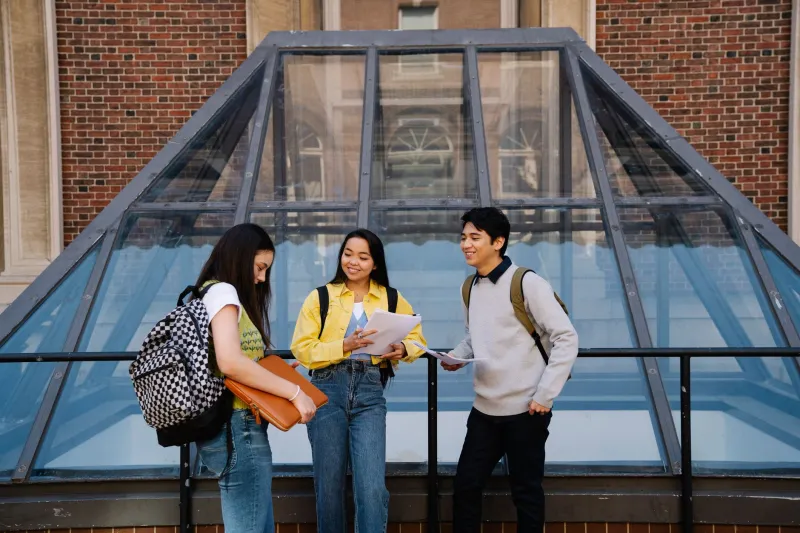
Millions of American students walk into school buildings every day surrounded by hundreds of peers—and feel profoundly alone. The youth loneliness epidemic has received growing attention from researchers and public health officials alike, yet many schools remain uncertain about how to respond in ways that create lasting change rather than surface-level fixes.
The data is sobering. A 2023 report from the U.S. Surgeon General identified loneliness and social disconnection as a national public health crisis affecting people of all ages—with adolescents among the most acutely affected populations. For school communities, that finding carries a direct and urgent implication: the social dimension of a student's experience is not peripheral to their education. It is central to it.
Why Peer Connection Matters More Than We Acknowledge
Academic research has consistently demonstrated that the quality of a student's peer relationships is one of the strongest predictors of both mental health outcomes and academic performance. Students who report feeling genuinely connected to at least one peer at school attend more regularly, engage more actively in class, and demonstrate greater resilience when facing academic setbacks.
Conversely, students experiencing chronic loneliness show elevated rates of anxiety and depression, diminished concentration, and a measurable decline in academic motivation. The classroom implications are direct: a student who is preoccupied with social pain is not a student who is fully available to learn.
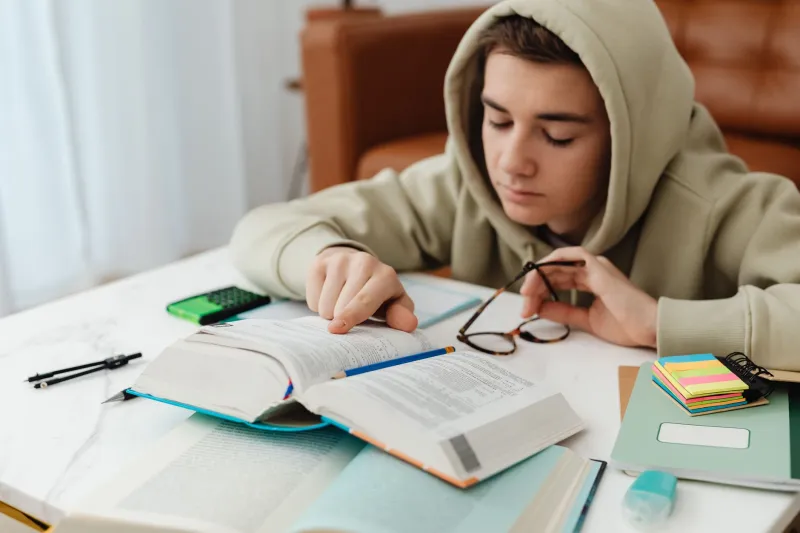
What makes this particularly difficult is that loneliness is not always visible. A student can appear socially engaged—present in the hallway, seated at a lunch table, active on social media—while experiencing a profound absence of genuine connection. Researchers sometimes describe this as the paradox of modern adolescent loneliness: students are rarely physically isolated, yet emotionally they may feel entirely unseen.
The Role of Social Anxiety in the Connection Gap
For many students, loneliness is not simply the absence of social opportunity. It is the presence of significant anxiety around social interaction itself. Social anxiety disorder is among the most common mental health conditions affecting school-age children in the United States, with estimates suggesting that roughly one in eight adolescents experiences clinically significant social anxiety at some point during their school years.
This anxiety creates a painful cycle. A student who fears social judgment avoids the interactions that might build connection. The avoidance reinforces isolation. The isolation deepens the anxiety. Without deliberate intervention, this cycle can persist throughout a student's educational career and into adulthood.
Schools that take student wellbeing seriously are beginning to recognize that addressing social anxiety requires more than encouraging students to simply "put themselves out there." It requires creating structured, low-stakes environments where connection can develop gradually and safely.
Innovative Approaches Schools Are Implementing
Across the country, forward-thinking schools are redesigning aspects of the student experience specifically to address social disconnection—and the results are instructive.
Structured Social-Emotional Learning Curricula
Social-emotional learning, or SEL, has evolved significantly from its early iterations as brief advisory sessions or one-off assemblies. Rigorous, well-designed SEL programs now teach students concrete skills: how to initiate and sustain conversations, how to navigate conflict constructively, how to identify and express emotional states, and how to recognize when a peer may be struggling. These are not soft skills. They are foundational capacities that shape the quality of every relationship a student will form throughout their life.
Reimagining the Lunch Period
The cafeteria is one of the most socially fraught environments in any school building. For students who lack an established friend group, the daily experience of finding a place to sit can be a source of genuine distress. Some schools have responded by creating opt-in lunch programs that bring small groups of students together around shared interests—a book, a puzzle, a creative project—reducing the social pressure of the traditional open-seating format and giving students a natural, low-stakes reason to interact.
Peer Mentorship Programs
Peer mentorship initiatives, in which older students are intentionally paired with younger ones, serve multiple functions simultaneously. They provide newer students with an accessible point of connection within the school community, offer older students the opportunity to develop leadership and empathy, and create cross-grade relationships that might not form organically. When structured thoughtfully, these programs can meaningfully reduce the sense of anonymity that many students experience, particularly in larger school environments.
What Families Can Watch For
Parents play an essential role in identifying early signs of social disconnection. Students who rarely mention peers by name, who consistently decline social invitations, or who express a persistent sense of not fitting in may be experiencing more significant isolation than their outward behavior suggests.
Open, non-pressuring conversations at home—questions that invite reflection rather than demand disclosure—can help students begin to articulate what they are experiencing. And when concerns arise, reaching out to school counselors early, before patterns become entrenched, is almost always more effective than waiting.
Building a Community Where No One Is Invisible
At Santhom School, the commitment to student wellbeing extends well beyond academic support. We believe that a student cannot fully flourish intellectually if they are struggling socially—and that the school's responsibility includes creating the conditions under which genuine human connection can take root.
That means investing in trained counselors, thoughtfully designed programming, and a school culture in which students feel genuinely seen by the adults around them. It means taking seriously the student who appears fine on the surface but may be quietly struggling beneath it.
Because building futures—real ones, lasting ones—requires more than strong transcripts. It requires that every student who walks through our doors feels, at some fundamental level, that they belong here.