When the Worksheets Stop: Rethinking Homework's Place in the Elementary Years
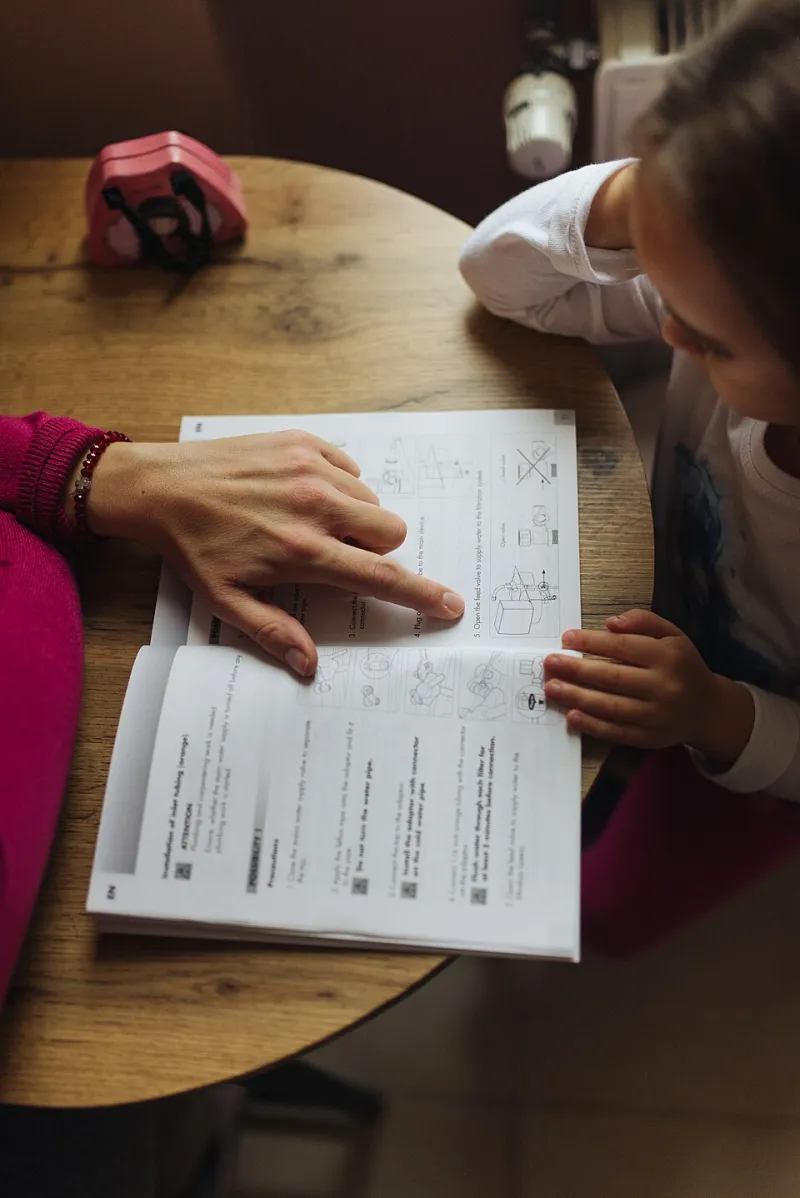
Photo: Shixart1985, CC BY 2.0, via Wikimedia Commons
For generations, the after-dinner table doubled as a homework station—a place of pencils, eraser shavings, and occasional tears. Today, that ritual is quietly disappearing in a growing number of American school districts, and the change is prompting some of the most spirited conversations in modern education.
A Policy Shift Decades in the Making
The movement gained momentum after researchers began questioning the widely cited "ten-minute rule," the guideline suggesting ten minutes of nightly homework per grade level. Studies from institutions including Duke University's Harris Cooper, one of the field's most frequently cited researchers, found that while homework shows modest correlations with achievement in secondary school, the connection in elementary grades is weak to negligible.
Districts from Florida to Vermont have responded. Some elementary schools have eliminated take-home packets entirely, replacing them with nightly reading. Others have adopted caps that guarantee homework never exceeds a set time limit, with teachers adjusting assignments accordingly.
What the Research Actually Says
The evidence paints a nuanced picture. Homework in the early years appears to offer little direct academic benefit, but it may serve secondary purposes: building organizational habits, keeping parents informed about classroom content, and establishing routines that matter later.
Critics of elimination point out that homework can widen achievement gaps. Students with quiet study spaces, internet access, and available adults tend to complete assignments more easily than those without. When homework counts toward grades, it can penalize children for circumstances beyond their control.
Supporters of thoughtful homework, meanwhile, argue that brief, well-designed tasks—reading together, practicing math facts through games—can reinforce classroom learning without consuming an evening.
The Family Cost of the Status Quo
Parents raising concerns about homework are not simply seeking lighter evenings. Surveys consistently show family stress as a leading complaint, with conflicts over assignments ranking among the most common sources of household tension for families with young children.
When a second-grader spends ninety minutes fighting through a worksheet designed for twenty minutes, the cost compounds: exhausted children, frustrated parents, and less time for play, rest, and conversation—the very activities developmental research consistently links to healthy growth.
How Parents Can Advocate Effectively
If your school's homework policy feels outdated, there are productive paths forward:
- Start with questions, not demands. Ask your principal or teacher what the current policy is based on and when it was last reviewed. Many policies predate the current research.
- Propose alternatives. Nightly reading requirements, family projects, or optional practice materials often satisfy both sides.
- Raise the equity question. Framing homework reform as an access issue resonates strongly with school boards focused on closing achievement gaps.
- Bring data. A one-page summary of research findings carries more weight than anecdote alone.
- Attend policy discussions. Homework guidelines are typically set at the district level, making school board meetings the appropriate venue for lasting change.
A Balanced Path Forward
The most successful reforms tend to reject both extremes. Blanket elimination can leave parents disconnected from their children's learning, while heavy workloads undermine the very curiosity schools hope to cultivate. The emerging consensus favors purpose over volume: assignments that matter, time limits that are honored, and reading treated as the non-negotiable nightly habit.
At Santhom School, we believe the question is not whether children should work at home, but what kind of work honors both their education and their childhood. Families deserve evenings that build relationships as surely as classrooms build skills—and with informed advocacy, they can have both.