Silence Is a Superpower: Rediscovering the Lost Art of Listening in Today's Classrooms

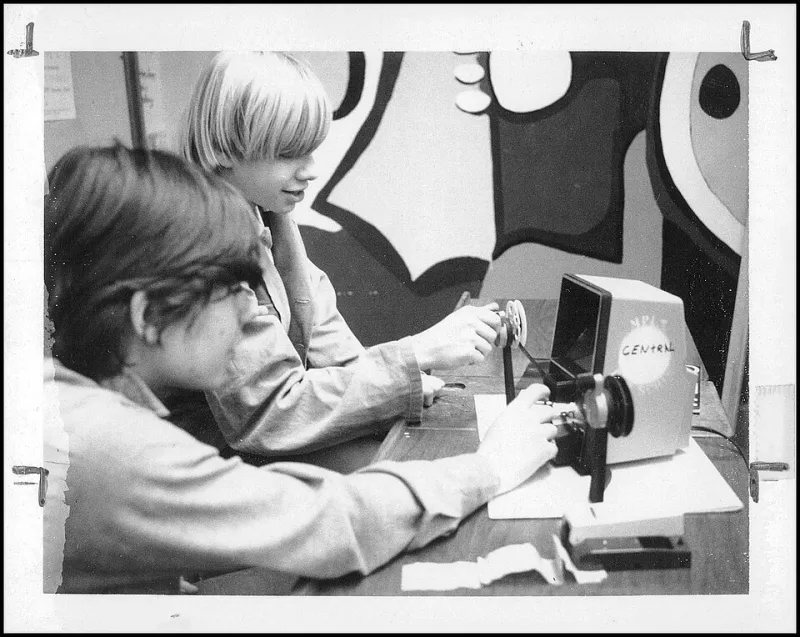
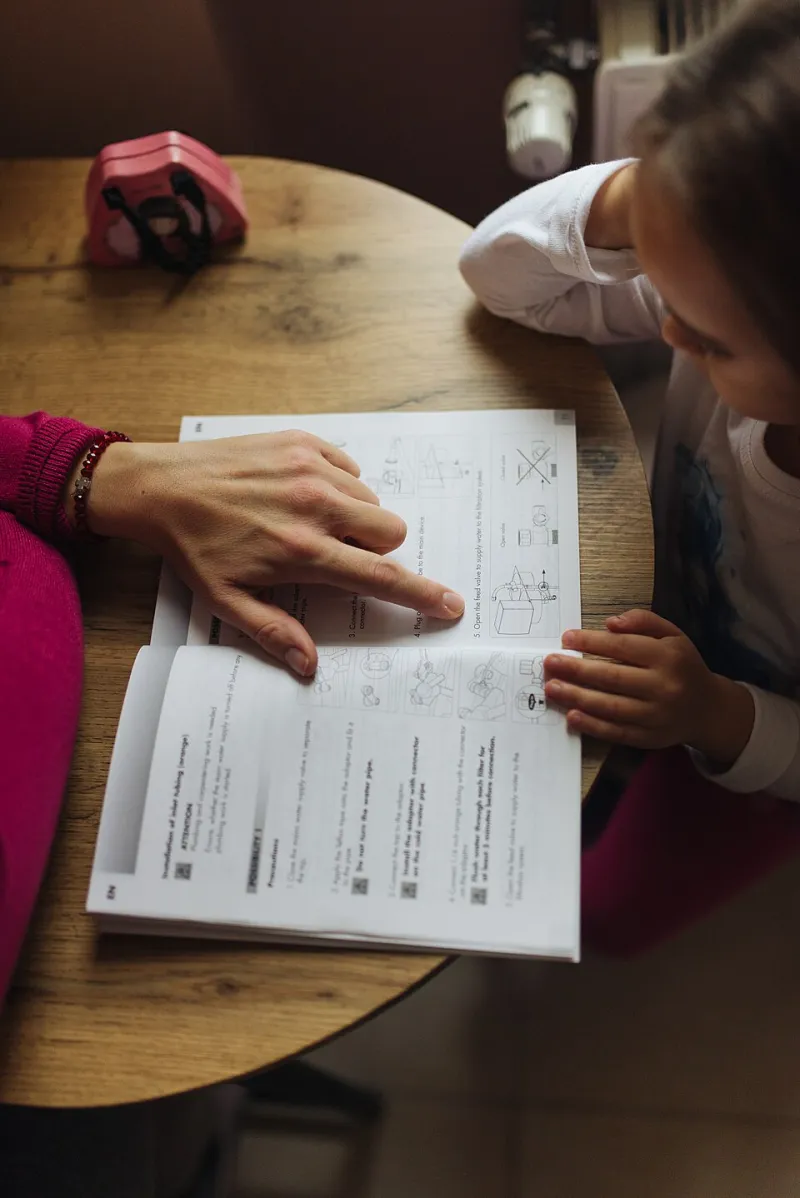
Photo: student actively listening in classroom discussion group, via i5.walmartimages.com
There is a quiet crisis unfolding in American classrooms, and it has nothing to do with test scores or curriculum standards. It is the slow erosion of a skill so fundamental that ancient philosophers considered it the cornerstone of wisdom: the ability to truly listen. Not merely to hear words as they pass through the air, but to absorb meaning, honor the speaker, and respond with genuine understanding.
At Santhom School, where our mission is to inspire minds and build futures, we have long recognized that academic excellence cannot exist in isolation from human connection. And human connection, at its most essential level, begins with listening.
What Active Listening Actually Means
The term "active listening" is often misunderstood. Many people assume it simply means staying quiet while someone else speaks. In reality, active listening is a dynamic, intentional practice. It involves maintaining eye contact, resisting the urge to formulate a response before the speaker has finished, asking clarifying questions, and reflecting back what has been heard to confirm understanding.
Psychologist Carl Rogers, who pioneered much of the research on empathic communication, described active listening as the highest form of intellectual engagement. Neuroscientific research has since supported this view, demonstrating that when we listen deeply, our brains engage in a process called "neural coupling"—where the listener's brain activity begins to mirror that of the speaker, fostering genuine comprehension and empathy.
For students, this capacity is transformative. It changes how they absorb lectures, how they collaborate with peers, and how they navigate the inevitable social complexities of school life.
Why Modern Education Has Deprioritized Listening
The pressures facing American schools today are real and significant. With standardized testing benchmarks, digital learning platforms, and an ever-expanding curriculum, educators are stretched thin. The result is a classroom culture that rewards output—essays, answers, presentations—while paying far less attention to the quality of what students take in.
Digital technology has compounded the problem. The average American teenager sends and receives hundreds of text messages per day, consumes content in short bursts, and has grown accustomed to information arriving in fragmented, easily digestible pieces. This environment is not conducive to the sustained, patient attention that genuine listening requires.
Furthermore, many classroom models still prioritize teacher-to-student communication over peer-to-peer dialogue. When students are rarely asked to deeply engage with what their classmates are saying, the muscle of active listening remains underdeveloped.
The Academic and Professional Stakes
The consequences of this deficit extend far beyond personal relationships. Research from the International Listening Association indicates that people spend approximately 45 percent of their communication time listening—yet retain only 25 to 50 percent of what they hear. For students navigating complex lectures, Socratic seminars, or group projects, this gap represents a significant academic liability.
In the professional world, the stakes are even higher. A study published by the Harvard Business Review found that listening was consistently ranked among the top skills that distinguish effective leaders from average ones. Employers across industries—from healthcare to technology to education itself—repeatedly cite poor listening as a root cause of workplace miscommunication and conflict.
Students who graduate without strong listening habits are not simply unprepared for college coursework; they are underprepared for the collaborative, relationship-driven realities of adult professional life.
Practical Strategies for Teachers
The good news is that active listening can be taught, practiced, and meaningfully assessed. At Santhom School, we encourage educators to embed listening-focused activities into their daily instructional routines.
Structured Partner Talks: Assign students to pairs and give one partner two minutes to share a perspective on a topic. The listening partner must then summarize what was said before offering their own view. This simple exercise builds the habit of comprehension before response.
Listening Journals: After a class discussion or guest speaker, ask students to write down three specific things they heard—not what they thought, but what was actually said. This sharpens attentiveness and accountability.
Fishbowl Discussions: A small group of students engages in a conversation while the rest of the class observes silently. Observers then provide specific feedback on listening behaviors they noticed, creating a metacognitive awareness around the skill.
Technology-Free Zones: Designating certain class periods as screen-free creates the conditions for deeper auditory engagement. When students are not managing notifications, their capacity for sustained attention increases substantially.
How Parents Can Reinforce Listening at Home
The school environment alone cannot build this skill. Families play an equally important role. Parents who model active listening—putting down their phones during dinner, asking follow-up questions rather than offering immediate advice, and demonstrating genuine curiosity about their child's experiences—create a household culture that reinforces what is being taught in the classroom.
A few simple practices can make a meaningful difference. Designating a daily "talk and listen" time, even ten minutes, where a child speaks and a parent listens without interruption, sends a powerful message: your words matter, and I am here to receive them fully.
Parents might also practice the "reflect before respond" technique during conversations with their children. Before offering guidance or correction, paraphrase what the child has said: "It sounds like you're feeling frustrated because you weren't included. Is that right?" This models the very behavior we hope students will internalize.
Listening as a Core Value at Santhom School
At Santhom School, we believe that education is not simply the transfer of information from teacher to student. It is a relationship—and like all meaningful relationships, it depends on the quality of attention we bring to one another. When students learn to listen deeply, they become better readers, more thoughtful writers, more effective collaborators, and more compassionate human beings.
In a world that grows louder and more distracted with each passing year, the student who knows how to be truly present—who can sit with another person's words and honor their meaning—possesses a rare and remarkable advantage.
Silence, it turns out, is not the absence of learning. It is often where learning begins.